Deepen Validate
Deepen Validate: a data-quality product I defined from the first idea
Finishing the labels is only half the job; the labels have to be right. Validate is a dedicated product for automatic validation and manual review of labeled datasets: a team configures the rules its data has to hold to, the validation engine runs them across every label and attribute in the set, and the results come back as scores, failures and reports. Starting from the initial idea, I defined its entire experience, from the features and flows to the UX and the interface, and built the entire frontend.
The product
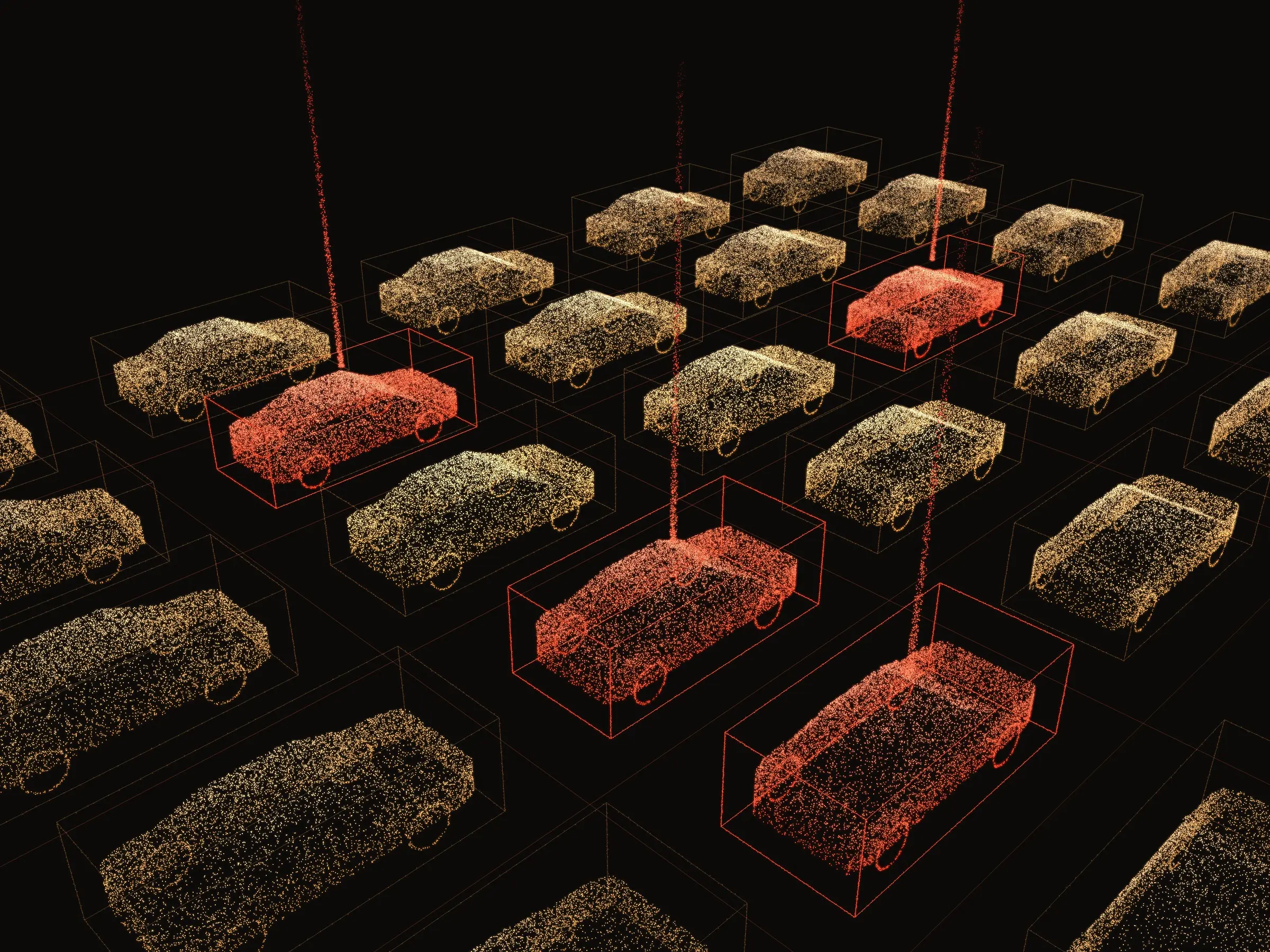
Trustworthy training data needs more than finished labels. Validate checks label quality and attribute quality across an entire dataset, with rules a team shapes to its own data. Rules are what a team writes and tunes; the validation engine is what runs them, against every label in the set, as often as the data changes.
Predefined rules
Ready-made checks for each label type, covering label and attribute quality.
Manual rules
Checks that reviewers carry out themselves, tracked alongside the automatic ones.
AI rules
Describe in plain words what should be checked, and the system checks for it automatically.
The flow
01
Set up the dataset
Configure it, upload it, and choose the rules to run against its labels and attributes, all in one setup.
02
Tune the rules
Rules take parameters, thresholds, and a definition of what counts as a pass or a fail.
03
Run it
The engine takes the configuration and works through the dataset, rule by rule, label by label.
04
Read the results
Quality scores, which rules passed and which failed, and reporting and metrics across the run.
05
Rerun what changed
Fix the data or retune a rule, then send only that rule or that validation back through the engine.
The hard part
A rule means something different depending on where it applies. The product had to decide how that works before any screen could be drawn.
A check can apply to a single frame, a label type, one particular label, or the entire dataset. Deciding how a rule behaves across those scopes — what the engine does with it at each one, and what a pass and a fail even mean there — was a question about the product itself, not its interface, and it was the biggest design problem in Validate.
Then came the experience of building a rule configuration — the thing a team hands the engine — and the visualization of what comes back. Both are the core of the product, and both took careful, deliberate design.